[email protected]
Research Tool
Diabetes, Digestive, and Kidney (NIDDK)
ID - 7
VitaCyte
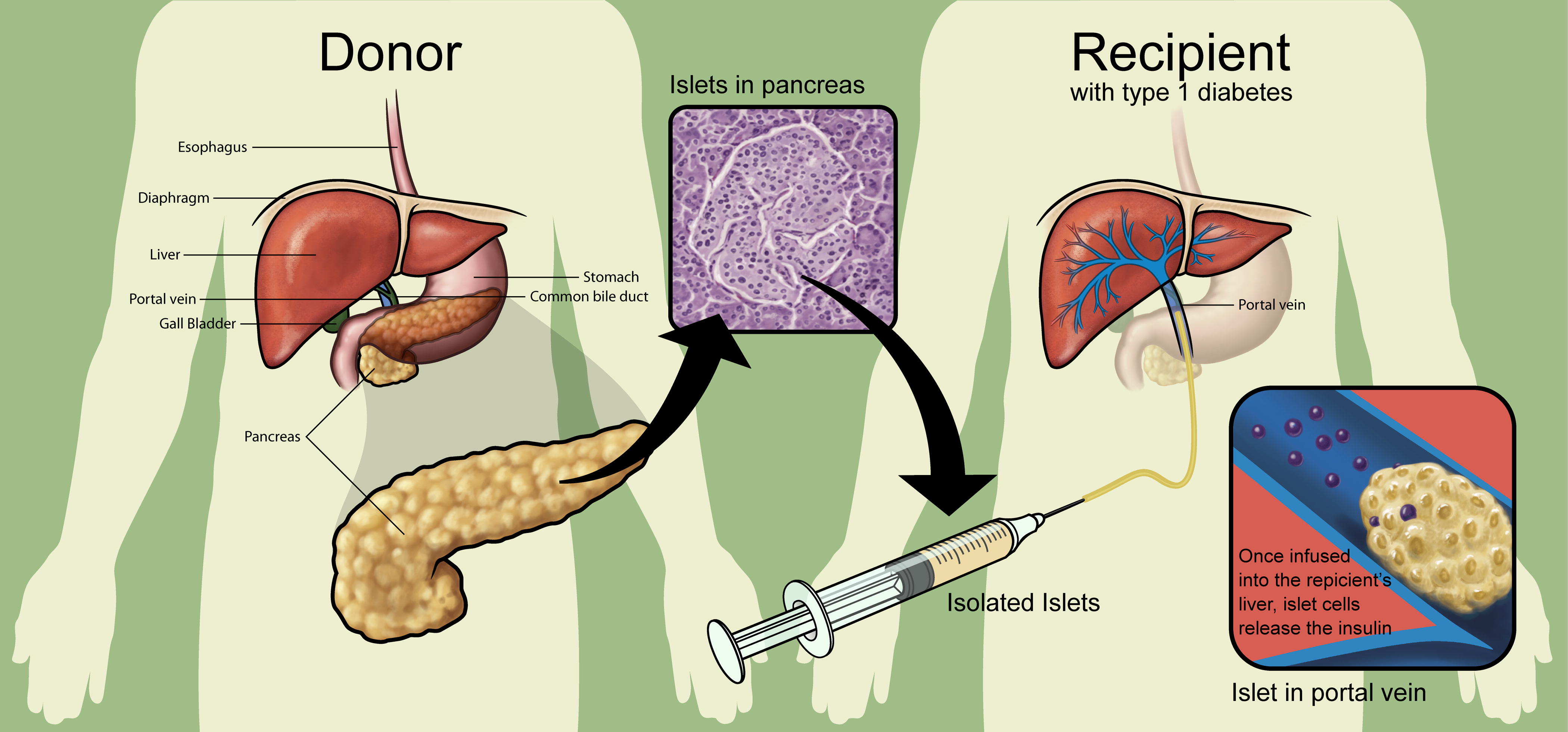
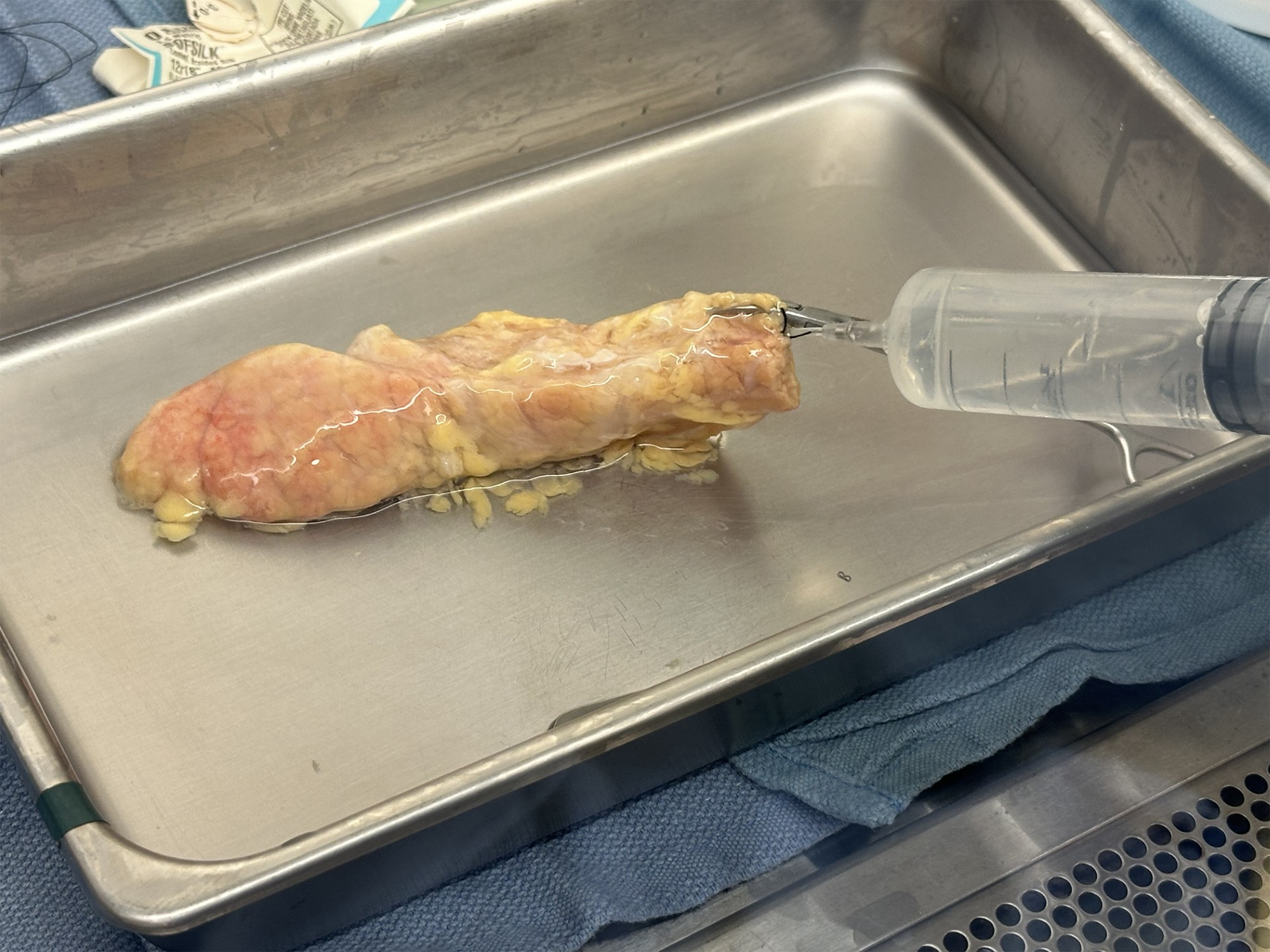 In July 2000, the “Edmonton Protocol” made headlines: adults with type 1 diabetes went an entire year without needing insulin after receiving transplants of healthy islets(tiny clusters of insulin-producing cells) from organ donors. Behind this milestone was a vital but hidden step, using a reproducibly manufactured enzyme mixture that enabled scientists to isolate enough islets from a donor pancreas to perform the transplantation procedure.
This critical step is where Indiana-based VitaCyte LLC found its opportunity. To study or transplant islets, scientists must gently separate them from surrounding tissue using enzymes that break tissue down without harming the cells. When this process is inconsistent and unpredictable, fewer healthy islets are recovered, slowing research and treatment progress.
Addressing this gap, VitaCyte’s founders, Robert McCarthy, Ph.D., and Francis Dwulet, helped develop a widely known enzyme blend in 1995 to isolate islets for research and transplantation. Recognizing that the initial product had only scratched the surface of its potential, McCarthy and Dwulet launched VitaCyte in 2003 to make these enzymes more reliable and consistent for research and development.
The National Institutes of Health (NIH) helped turn that vision into progress. In July 2004, VitaCyte received its first NIH Small Business Innovation Research (SBIR) Phase I award to improve tissue dissociation enzymes for islets and other cells. This early support, followed by additional SBIR awards, provided the team with resources to successfully refine purification methods and develop a better way for testing enzyme performance.
NIH’s SBIR seed funding provided VitaCyte with the opportunity to apply lessons from an earlier commercial R&D project to improve the reliability of purified enzyme products transforming a fragile, variable ingredient into a more precise, dependable tool.
 Instead of relying on simple measurements to assess collagenase’s ability to cleave a small, synthetic substrate, VitaCyte developed a more reliable test that measures the enzyme’s ability to degrade collagen, its true function. Measurement of collagendegradation activity enabled VitaCyte’s scientists to develop more reliable and safer collagenase products than those developed in 1995.
This capability proved valuable in 2007, when NIH halted the use of a widely reliedupon islet isolation enzyme in clinical trials over safety concerns. The sudden gap left the NIH-funded Clinical Islet Transplantation Consortium in need of reliable alternatives and exposed how fragile progress can be when essential tools fall short.
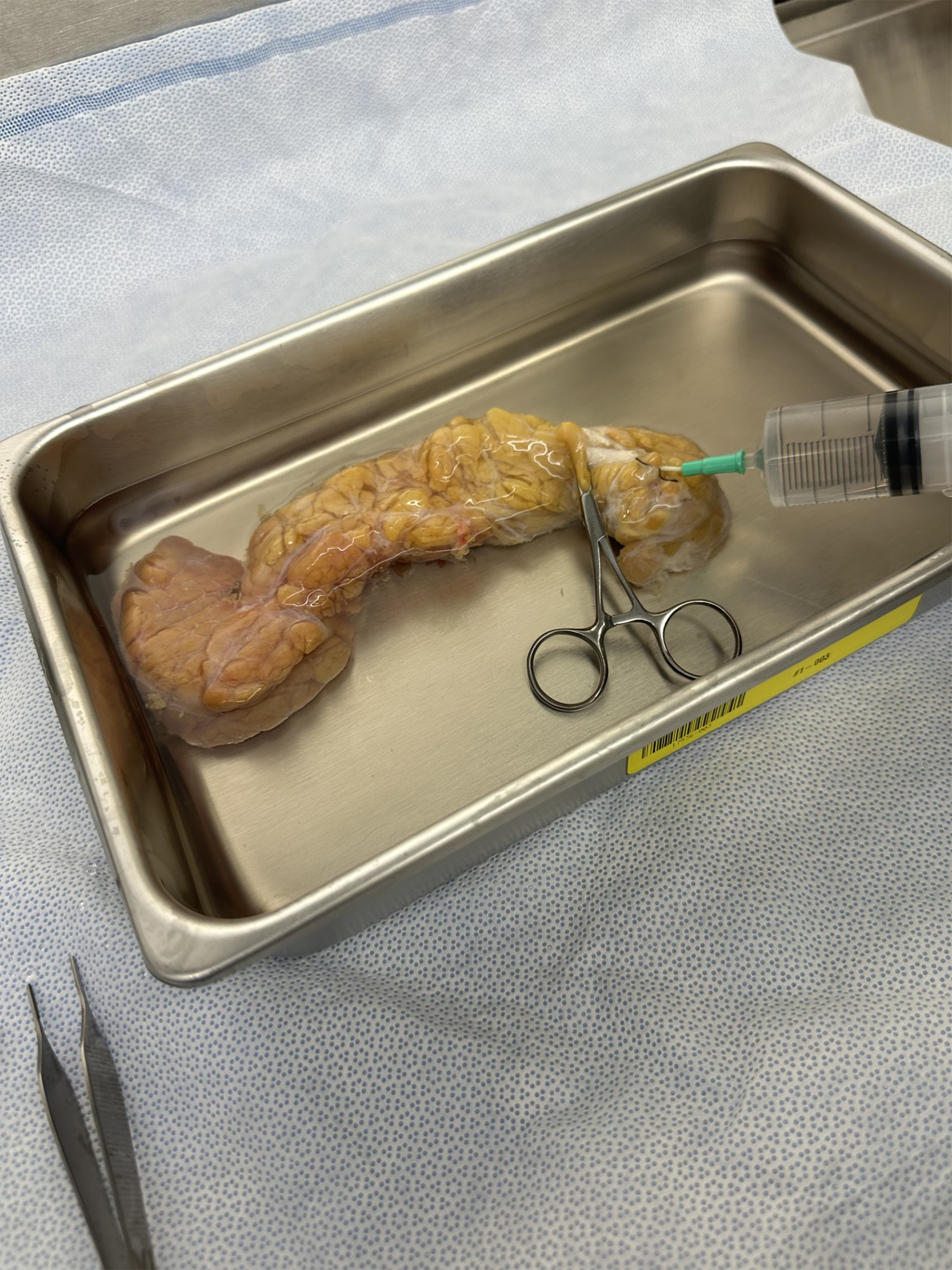 After receiving an NIH SBIR Phase II award, VitaCyte further improved the collagenases used for islet isolation by manufacturing an animal-origin-free collagenase products, eliminating safety concerns since these enzymes were expressed in bacteria as recombinant proteins. Working with academic collaborators, the team found that the recombinant collagenases were more efficient for isolating and recovering human islets than the natural products used above. Separately, in an independent study, researchers found that islet cells prepared with VitaCyte’s genetically engineered enzyme product performed better in laboratory tests of insulin response.
Today, VitaCyte applies its NIH-supported expertise well beyond diabetes. The company’s optimized approaches help scientists isolate healthy cells more reliably, support medical research, and accelerate the development of new treatments for serious diseases. Its enzymes help recover healthy human liver cells from unused donor organs and enable pharma and biotech industries to develop safer, more predictable solutions.
VitaCyte’s story is a reminder that NIH funding doesn’t just support headline-grabbing discoveries; it builds the foundation that turns scientific advances into real-world impact.